
The #1 All-in-one Software for Automated Business Growth
Streamline Your Business, Save Time, and See Results with One Easy-to-Use Platform.
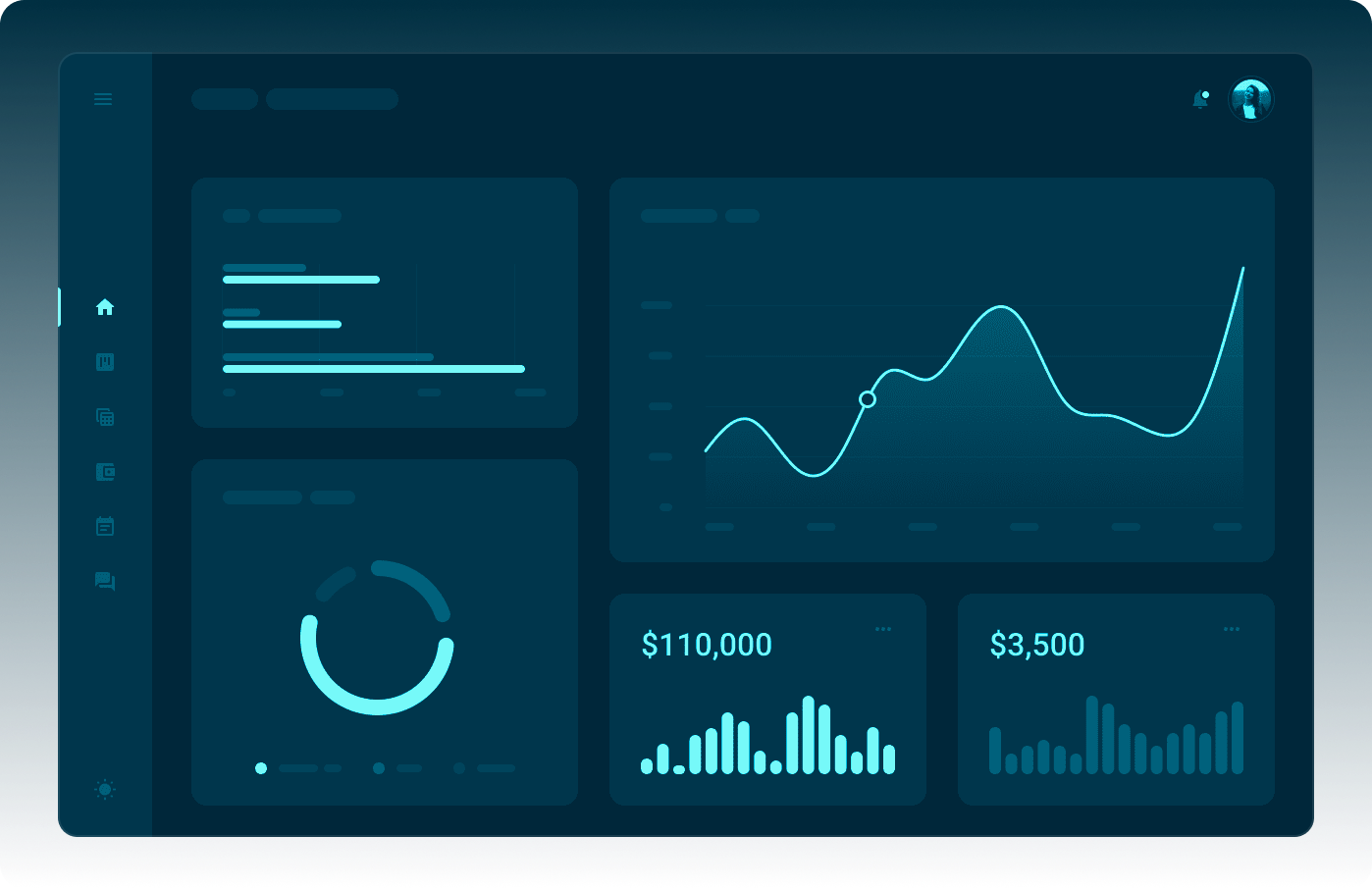
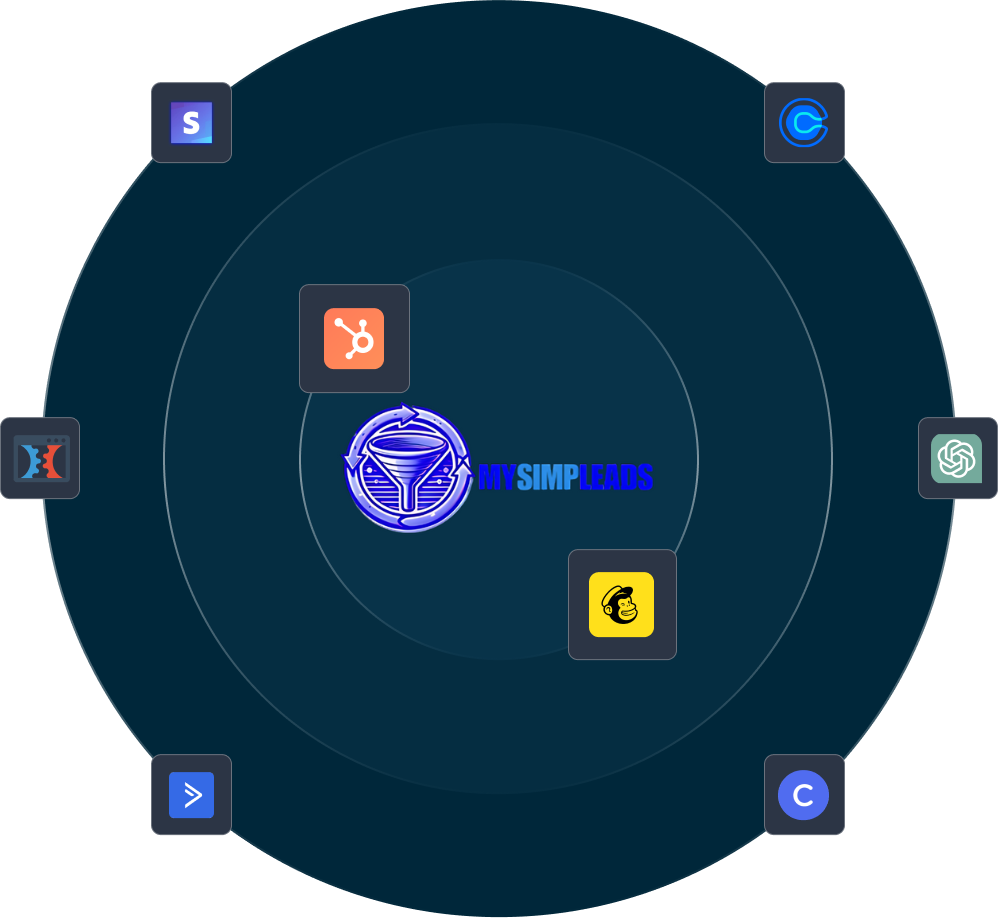
Seamlessly Integrated All The Best Tools in One Platform
Simplify Your Workflow and Accelerate Business Growth with Everything You Need in One Place.
Manage Reviews and Reputation
Monitor and respond to online reviews, improving your business's reputation and customer trust.
Streamline Sales Processes
Build, manage, and optimize sales pipelines to convert leads into customers faster.
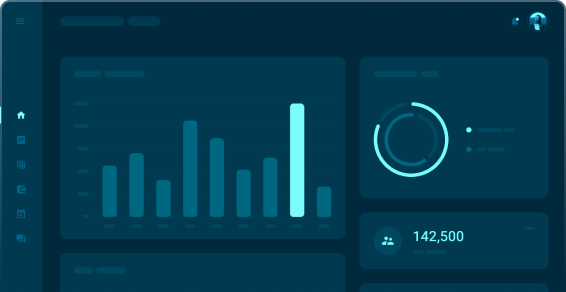
Automate Marketing Campaigns
Effortlessly create and manage email, SMS, and social media campaigns to reach your audience at the right time.
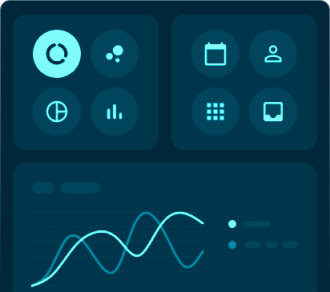
Boost Online Presence
Design and launch professional websites, funnels, and landing pages that drive traffic and increase conversions.
Optimize Appointment Scheduling
Simplify booking, rescheduling, and reminders with automated tools that save time and reduce no-shows
Replace The Softwares You’ve Duct-Taped Together
Trade the Chaos for a Seamless, All-in-One Solution.
WANT TO SEE IT IN ACTION?
Try it risk-free for 14 days
Experience the Full Power of Our Platform
Before vs After MySimpleads
Once you go MySimpleads, you never go back. Here's why.
BEFORE USING THIS
Without MySimpleads
Struggling with scattered tools and inefficient workflows.
Wasting time on manual tasks and outdated processes
Facing challenges in tracking and analyzing campaign performance.
Losing potential customers due to disorganized sales pipelines.
Dealing with the hassle of managing multiple platforms for different needs.
AFTER USING THIS
With MySimpleads
Enjoy streamlined operations with all tools integrated into one platform.
Save time and reduce errors with automation handling routine tasks.
Gain valuable insights with real-time analytics and easy-to-read reports.
Convert more leads with optimized, organized sales pipelines.
Manage everything from marketing to sales in one powerful, user-friendly dashboard.
No More Chaos and Dealing with Time-Consuming Manual Processes.
I get it, I’ve been in your shoes and know what it feels like to:
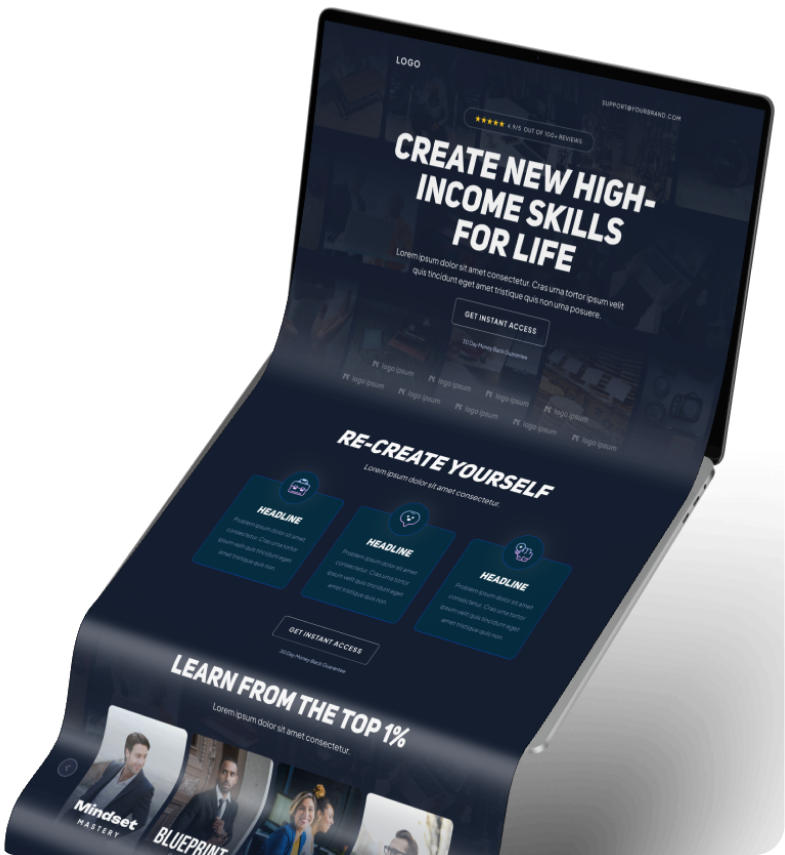
Here's why this is a problem for Small Business Owners
Wasted Time and Resources: Small business owners often juggle multiple tasks, and using disconnected tools can lead to inefficiencies, wasted time, and costly errors. This lack of integration means more time spent managing systems and less time focusing on growing the business.
Missed Growth Opportunities: Without a unified platform, small business owners may struggle to track customer interactions, sales, and marketing efforts effectively. This can result in missed opportunities to nurture leads, close deals, and retain customers, ultimately hindering business growth.
The solution to everything you need for growing your Small Business
Seamless Integration: Our platform unifies all the essential tools small business owners need, eliminating the need for multiple disconnected systems. This integration streamlines operations, saving time and reducing errors, so you can focus on what truly matters—growing your business.
Enhanced Growth Potential: With our all-in-one solution, you can effortlessly track customer interactions, manage sales pipelines, and automate marketing efforts. This ensures that no opportunity slips through the cracks, helping you nurture leads, close deals, and drive sustainable business growth.
Choose Your Plan
Compare what's included below so you can pick a plan that works for you.
FOR START UPS
Standard
Contacts & Leads Limit: Up to 2,000 contacts
Full access to all software features
Email, SMS, and social media marketing automation
Basic CRM with customer segmentation
Appointment scheduling and calendar integration
Access to the mobile app
Now $97/m
CANCEL ANYTIME

FOR SMALL BUSINESS
Growth
Contacts & Leads Limit: Up to 25,000 contacts
Everything in the Essential Plan
Priority email and chat support
Advanced CRM with custom fields and tagging
Enhanced reporting and analytics, including custom reports
Multi-step workflows and advanced automation triggers
Normally $497
Now $297/m
CANCEL ANYTIME
FOR LARGE BUSINESS
Professional
Contacts & Leads Limit: UNLIMITED
Full access to all software features
DFY Marketing Campaign Setup
DFY Sales Funnel Creation.
DFY Lead Nurturing Sequences
DFY CRM Setup and Optimization
DFY Analytics and Reporting
DFY Reputation Management
Normally $997
Now $497/m
CANCEL ANYTIME
Real people. Real results.
Read why so many people are raving about MySimpleads.

"This has been a gamechanger"
"I was struggling to keep up with all the different tools I needed to run my business. This platform changed everything. It's easy to use, and I can finally focus on scaling my business instead of managing software."
John M., Entrepreneur

"I've closed so much already"
"The integration of sales, marketing, and customer management has been a game-changer for us. We've seen a significant boost in customer engagement and conversions since we started using this platform."
Emily R., Marketing Consultant
Frequently Asked Questions
What is this platform, and how does it benefit my small business?
Our platform is an all-in-one solution designed to streamline your business operations, from marketing and sales to customer management and analytics. It saves you time, reduces errors, and helps you grow your business more effectively.
Is this platform easy to use, even if I’m not tech-savvy?
Yes! Our platform is designed with simplicity in mind, offering an intuitive interface that’s easy for anyone to navigate, regardless of technical expertise.
Can I integrate this platform with other tools I’m already using?
Absolutely. Our platform supports seamless integration with a wide range of third-party tools and services, allowing you to enhance your existing workflows.
How does this platform help me increase sales and customer engagement?
We provide powerful tools for automating marketing campaigns, managing sales pipelines, and tracking customer interactions. This ensures you’re engaging with leads at the right time, increasing your chances of conversion and customer retention.
Is there a mobile app available?
Yes, our mobile app lets you manage your business on the go. You can access key features, monitor performance, and stay connected with your team and customers from anywhere.
Can I try the platform before committing?
Yes, we offer a risk-free 14-day trial so you can experience the full power of our platform and see how it fits your business needs
How does pricing work?
We offer pricing plans tailored to the needs of different business sizes and industries. You can choose the plan that best fits your budget and scale as your business grows.
What makes your platform different from other business management tools?
Our platform is designed to be a comprehensive, all-in-one solution, combining the best features of multiple tools into one seamless experience. This integration helps you save time, reduce costs, and drive more effective business growth.
Copyrights by MySimpleads ™ 2025 | Terms & Conditions